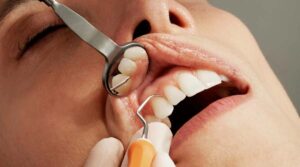
Does the back of your jaw ache, swell, or throb when you chew? That’s often a sign of a wisdom tooth coming in the wrong way. Many people put off dealing with it until the pain gets hard to ignore. Here’s what actually happens, and when removal genuinely becomes necessary.
What Is Wisdom Teeth Removal?
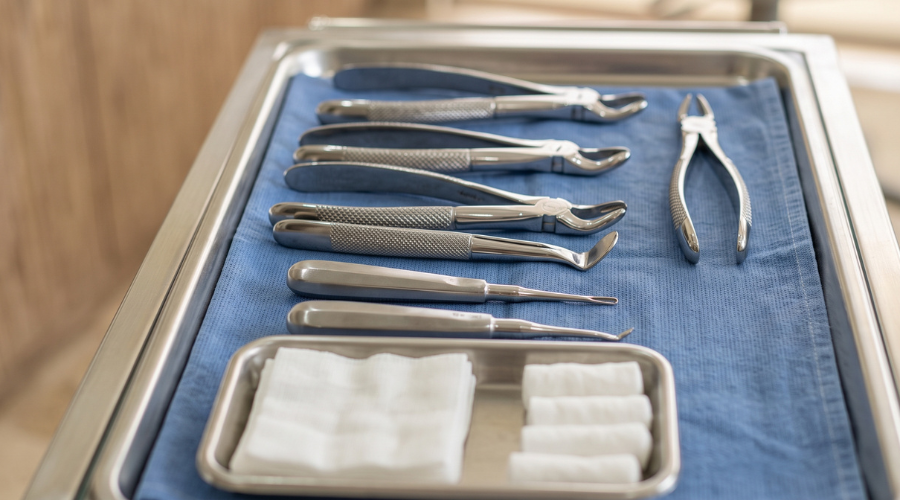
Wisdom teeth are the third set of molars. They usually come in during your late teens or early twenties. Your jaw often doesn’t have enough room for them. When that happens, the tooth grows in at an angle, stays partly buried under the gum, or pushes against the tooth next to it. Dentists call this “impacted.” Removal takes out the problem tooth. Depending on how deep or angled it sits, this is either a simple extraction or a small surgical procedure.
What It Actually Does for You
Removing a problem wisdom tooth relieves the pain and swelling it causes. It also stops the tooth from damaging the molar next to it. The procedure prevents infection and gum disease too — these often develop around a tooth that’s only partly come through, since food and bacteria get trapped in ways you can’t fully clean. Left alone, an impacted wisdom tooth can even push your other teeth out of alignment over time.
Read more: Gum Disease Treatment Bali: Signs You Shouldn’t Ignore Now
The Evidence Behind It
Dentists worldwide widely recommend removal for a wisdom tooth that’s impacted, infected, or damaging nearby teeth. The clinical reasoning is simple: a tooth in that position rarely fixes itself. The longer it stays, the more it tends to affect the health of the teeth and gums around it. Not every wisdom tooth needs to come out, though. A tooth that’s fully grown in, properly aligned, and easy to clean can often stay right where it is. This is why a proper exam matters more than guessing, or waiting and hoping the pain fades.
Aftercare That Makes a Real Difference
Expect some swelling and soreness for the first few days. Manage it with the pain relief your dentist prescribes and a cold compress against your cheek. Stick to soft foods for the first day or two, and skip the straw — suction can disturb the healing site. Once your dentist says it’s safe, start a gentle saltwater rinse to keep the area clean. Rest matters too. Pushing through normal activity too soon can slow your healing down.
What to Expect
Most people recover within a week. A surgical extraction for a deeply impacted tooth can take a bit longer to heal fully, though. The pain and swelling that brought you in usually start easing within the first few days once the tooth comes out. Your dentist will let you know if you need a follow-up visit to check how the site is healing.
Read more: Dental Emergency Bali: What to Do If You Get a Toothache While Traveling
Don’t Wait Out the Pain
A wisdom tooth that’s causing pain, swelling, or pressure rarely gets better on its own. Our dental team at Starlight Clinics, located at Sunset Road 16A, Seminyak, Bali, can examine your tooth and give you an honest recommendation on whether removal is the right step. Come in for a check-up, or message us on WhatsApp to get your pain looked at soon.