A tooth that’s suddenly sensitive to hot or cold, aches on its own, or throbs when you bite down is one of the more distressing dental problems to deal with — especially when you’re not sure whether the tooth can even be saved. In many cases, it can be, and a root canal treatment is often the way to do it without needing to remove the tooth entirely.
What Is a Root Canal Treatment?
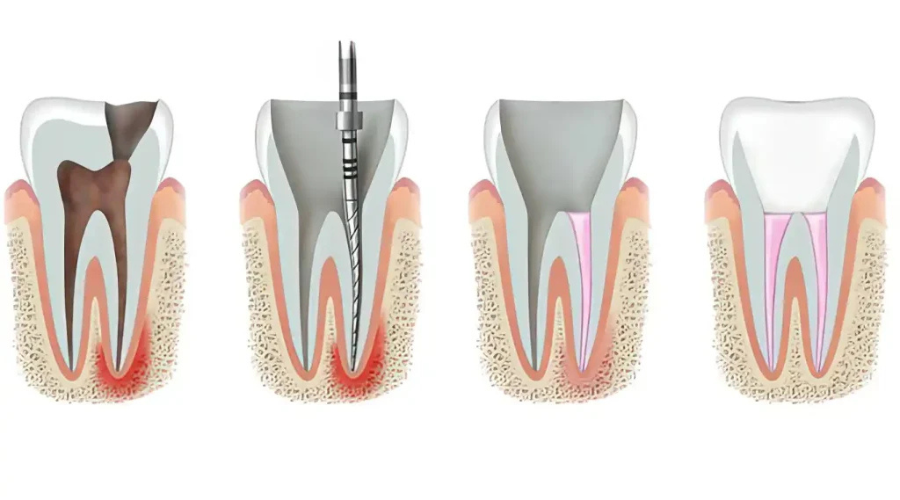
A root canal treatment addresses infection or damage inside the tooth’s pulp — the soft tissue containing nerves and blood vessels at the tooth’s core. The procedure removes the infected or inflamed pulp, cleans out the inner canal, and seals it to prevent further infection, allowing the outer structure of your natural tooth to stay in place.
What It Actually Does for You
The main thing a root canal does is relieve the pain caused by an infected or inflamed tooth while preserving the tooth itself, rather than resorting to extraction. Keeping your natural tooth matters more than it might seem — it helps maintain your bite alignment, avoids the need for a replacement like a bridge or implant later on, and keeps your smile looking as it should.
Read more: Gum Disease Treatment Bali: Signs You Shouldn’t Ignore Now
The Evidence Behind It
Root canal treatment is one of the most established procedures in modern dentistry, with a long clinical track record of successfully saving teeth that would otherwise need to be extracted. Studies consistently show high long-term success rates when the procedure is done properly and the tooth is restored afterward, which is why it remains the first-line option for saving an infected tooth rather than jumping straight to extraction.
Aftercare That Makes a Real Difference
Some mild sensitivity or tenderness in the days following treatment is normal and generally settles on its own. Sticking to soft foods for the first day or two, keeping up gentle oral hygiene around the area, and following any guidance from your dentist about a follow-up crown all help the tooth heal properly and stay protected long-term.
What to Expect
Most people feel noticeable relief from the original pain once the infected pulp is removed, since that’s usually what was causing the discomfort in the first place. Depending on the tooth, a crown is often placed afterward to protect and strengthen it going forward — your dentist will let you know if that applies to your case.
Read more: Dental Crowns Bali: When You Need One and How the Process Works
Don’t Wait Out the Pain
Tooth pain that keeps coming back rarely resolves on its own, and waiting often makes treatment more complicated later. Our dental team at Starlight Clinics, located at Sunset Road 16A, Seminyak, Bali, can assess your tooth and let you know honestly whether a root canal is the right path forward. Come in for a check-up, or message us on WhatsApp to get your pain looked at soon.