
Wisdom tooth removal Bali is one of the more common dental procedures international visitors and expats look into, often after months of low-level discomfort that finally prompts a proper check-up. Wisdom teeth, the third set of molars that typically emerge in the late teens or early twenties, don’t always have enough room to come through properly, which can lead to pain, swelling, or crowding that eventually needs addressing.
Why Wisdom Teeth Often Need to Come Out
Not every wisdom tooth causes problems, but many do because the jaw simply doesn’t have enough space to accommodate them. When a wisdom tooth is impacted, meaning it’s unable to fully emerge through the gum, it can grow at an angle, push against neighboring teeth, or become partially trapped beneath the gum line. This can lead to infection, gum inflammation, or damage to the tooth next to it if left unaddressed.
Even wisdom teeth that emerge fully aren’t always in the clear, since their position at the very back of the mouth makes them notoriously difficult to clean properly, leaving them more prone to decay and gum disease over time.
Read more: Dental Implants Bali: A Complete Guide for International Patients
What Happens During the Consultation
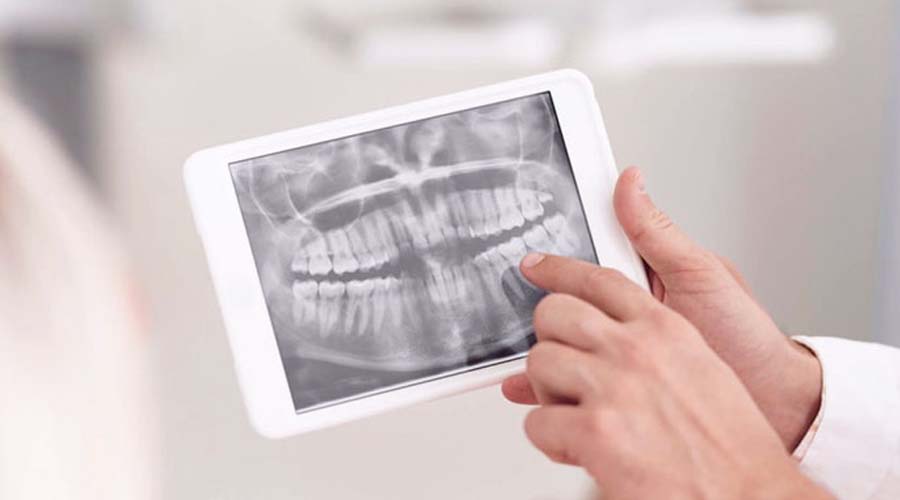
Before any extraction, a dentist will typically take an X-ray or 3D scan to assess the position of the wisdom tooth, how close it sits to nerves and other structures, and whether it’s impacted or fully emerged. This assessment determines whether the extraction is likely to be straightforward or more involved, and it’s also the point where a dentist will walk through what to expect for your specific case rather than a generic procedure.
Every mouth is different, so the complexity of removal can vary significantly from one patient to the next, which is why this initial assessment matters more than any general description of the procedure found online.
What to Expect on the Day
Wisdom tooth removal is usually done under local anesthesia, meaning you’ll be awake but won’t feel pain during the procedure itself, though you may feel some pressure. For more complex impacted teeth, some clinics offer sedation options for patients who prefer to be more relaxed throughout. The procedure itself typically takes anywhere from a few minutes to under an hour, depending on how straightforward or complex the extraction is.
It’s sensible to arrange for someone to accompany you afterward, particularly if sedation is used, since you may not be in a position to drive or navigate transport immediately following the appointment.
Recovery in the Days After
Some swelling, mild discomfort, and slight bruising around the jaw are common in the first few days after extraction, and this is a normal part of healing rather than a sign that something has gone wrong. Most people find that discomfort peaks within the first couple of days and gradually eases from there, though the exact recovery timeline depends on how complex the extraction was and how well aftercare instructions are followed.
Soft foods, gentle oral hygiene around the extraction site, and avoiding smoking or using straws in the first few days are typically part of standard aftercare guidance, since these can interfere with healing. Your dentist will provide specific instructions tailored to your procedure, and following them closely makes a real difference in how smoothly recovery goes.
Planning Around Travel
For visitors combining a Bali trip with dental care, it’s worth building in a few days of lighter activity after the procedure rather than scheduling intensive plans immediately afterward. Flying with fresh extraction sites is generally manageable, but it’s a detail worth confirming directly with your dentist based on your specific recovery, especially if your trip involves a long-haul flight shortly after treatment.
Read more: Dental Cleaning Bali: Why Scaling Matters for Travelers
Getting a Proper Assessment First
Because every case of wisdom tooth impaction is different, the most useful step before deciding on removal is a proper in-person consultation and imaging, rather than assuming based on symptoms alone. A dentist who can see the exact position and condition of the tooth is best placed to explain what your particular procedure and recovery are likely to involve.
At Starlight Clinics, wisdom tooth assessments begin with imaging and a full consultation, so patients understand exactly what to expect for their own case before any decision about removal is made.