
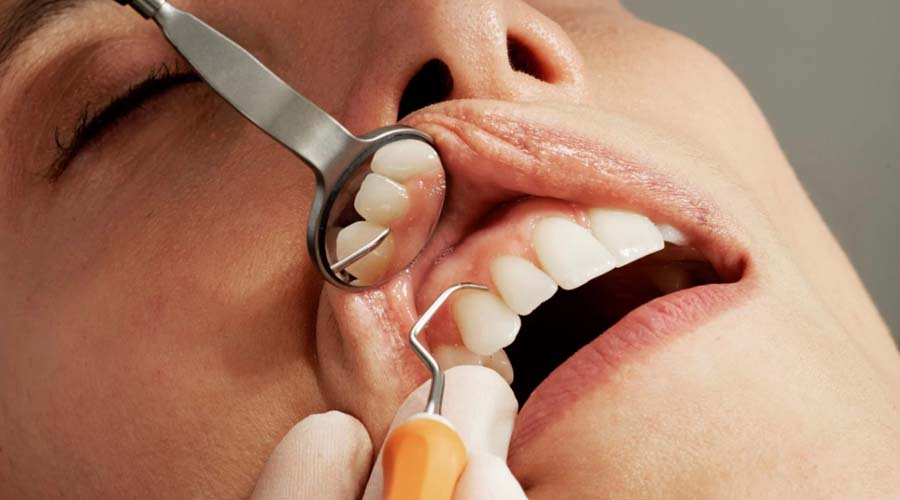
Gum disease treatment Bali becomes a search many travelers and expats turn to only after noticing something felt off for a while — bleeding gums during brushing, a bit of tenderness, or a smell they can’t quite place. Gum disease often develops gradually and painlessly in its early stages, which is exactly why the early signs are so easy to dismiss as nothing serious.
Why Gum Disease Is Easy to Miss Early On
Unlike a toothache, which tends to demand attention immediately, early gum disease — known as gingivitis — often causes only mild symptoms that can be mistaken for normal brushing irritation or simply brushing too hard. This is part of what makes it a condition worth paying attention to proactively, rather than waiting for pain to prompt a visit, since by the time discomfort sets in, the condition may have already progressed further than it needed to.
Read more: Teeth Whitening vs Veneers: Which Fits Your Smile Goals?
Signs Worth Paying Attention To
Bleeding gums, particularly during brushing or flossing, is one of the earliest and most common signs of gum inflammation. While occasional light bleeding from brushing too vigorously isn’t necessarily cause for alarm, gums that bleed regularly or with minimal pressure are worth having assessed.
Persistent bad breath or a bad taste that doesn’t go away with normal brushing can also indicate bacterial buildup below the gumline. Swelling, redness, or gums that appear puffy rather than firm and pink are additional signs that inflammation is present, even if there’s no pain accompanying it.
As gum disease progresses, some people notice their gums appearing to pull back from the teeth, making teeth look slightly longer than before, or they may notice teeth feeling looser or shifting position slightly. These later-stage signs typically indicate the condition has advanced beyond the earliest phase and warrants prompt attention.
What Happens If It’s Left Untreated
Left unaddressed, gingivitis can progress to periodontitis, a more advanced form of gum disease that affects the structures supporting the teeth, including bone. This progression happens gradually and at different rates for different people, which is part of why regular dental check-ups matter even when nothing feels obviously wrong.
The exact pace and severity of progression varies significantly from person to person, depending on factors like oral hygiene habits, genetics, and overall health, so it’s not something that can be predicted with certainty without a proper clinical assessment.
What Gum Disease Treatment Typically Involves
Treatment approaches vary depending on how advanced the condition is at the time of assessment. Early-stage gum disease often responds well to professional cleaning, sometimes called scaling, which removes plaque and tartar buildup both above and below the gumline that regular brushing can’t reach.
For more advanced cases, deeper cleaning procedures or additional treatments may be recommended, along with guidance on adjusting daily oral hygiene habits to help manage inflammation going forward. The specific treatment plan depends entirely on the individual’s condition, which is why an assessment is necessary before any treatment approach can be determined.
Prevention Alongside Treatment
Alongside professional treatment, daily habits play a significant role in managing gum health. Consistent brushing and flossing, along with regular dental check-ups, help catch and address inflammation before it has a chance to progress. For travelers, it’s worth mentioning any gum sensitivity or bleeding during a routine dental visit even if it wasn’t the original reason for the appointment, since it’s often easier to address early.
Read more: HIFU Facial Bali: Non-Surgical Skin Tightening Explained
Planning a Visit Around Your Trip
If you’ve noticed any of these signs and are planning to be in Bali, it’s worth scheduling an assessment relatively early in your trip rather than the last day, in case any follow-up care or additional appointments are recommended based on what’s found during examination.
Getting an Accurate Picture of Your Gum Health
Because gum disease exists on a spectrum from mild inflammation to more advanced structural changes, the only reliable way to know where things stand is through a proper clinical examination rather than self-assessment based on symptoms alone. A dentist can evaluate gum health directly and recommend a treatment approach suited to your specific situation.
At Starlight Clinics, gum health is assessed as part of every dental visit, so any early signs of inflammation can be identified and addressed before they have a chance to progress further.