Teeth whitening vs veneers is one of the most common questions among people exploring cosmetic dental options, and it’s easy to see why — both promise a brighter, more confident smile, but they work in completely different ways and suit very different situations. Understanding what each treatment actually addresses makes the decision far more straightforward.
What Teeth Whitening Actually Changes
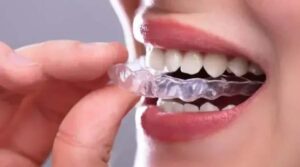
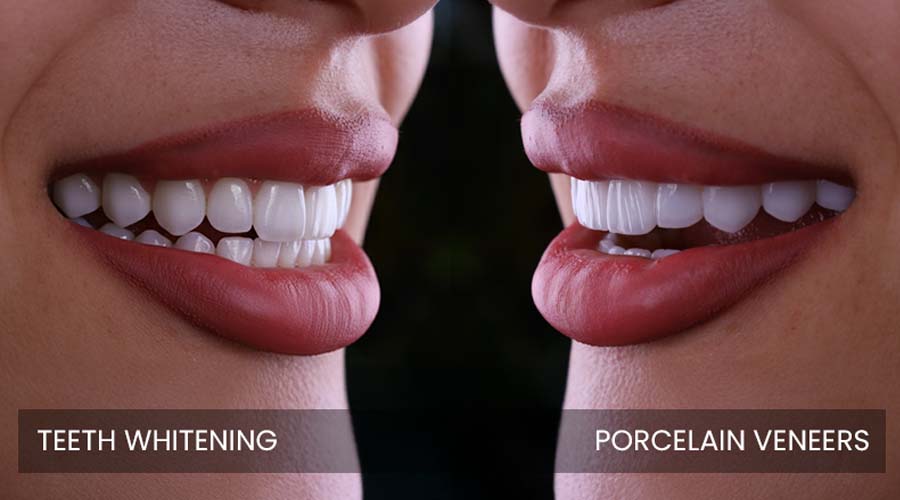
Teeth whitening is a treatment focused purely on color. It uses a bleaching agent to lift stains and discoloration from the natural tooth enamel, gradually lightening the overall shade of your teeth. It doesn’t change the shape, size, alignment, or texture of a tooth — it only addresses how light or dark it appears.
Because it works with your existing tooth structure rather than altering it, whitening is generally the less invasive of the two options and doesn’t require any permanent modification to the tooth itself. It’s typically most effective on surface stains and general yellowing rather than deeper, more stubborn discoloration.
Read more: HIFU Facial Bali: Non-Surgical Skin Tightening Explained
What Veneers Actually Change
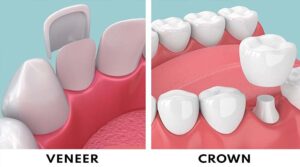
Veneers take a fundamentally different approach. Rather than working with the existing tooth, a thin shell — usually porcelain or composite — is bonded to the front surface of the tooth, effectively creating a new visible surface. This means veneers can address not just color, but also shape, size, minor gaps, and the appearance of slightly crooked or chipped teeth.
Because veneers involve permanently altering the tooth structure to accommodate the shell, they’re a more involved procedure than whitening, and the change is considered permanent rather than something that fades or needs periodic touch-ups in the same way whitening does.
When Whitening Is the Better Fit
Whitening tends to be the right choice when the only concern is the color of otherwise healthy, well-aligned teeth. If your teeth are structurally fine and you’re simply looking to reverse the effects of staining from coffee, tea, red wine, or general aging, whitening addresses that directly without the cost or commitment of a more involved procedure.
It’s also a reasonable starting point for people who aren’t sure how invasive a treatment they want, since it’s reversible in the sense that it doesn’t permanently alter the tooth and can be repeated or adjusted over time as needed.
When Veneers Are the Better Fit
Veneers make more sense when the concern goes beyond color — chipped edges, minor gaps, slightly uneven tooth shape, or discoloration that’s too deep or stubborn for whitening to meaningfully address. If you’re looking for a more uniform, symmetrical smile rather than just a brighter version of your current one, veneers offer a level of control that whitening simply can’t provide.
Veneers are also worth considering for teeth with old, discolored fillings or bonding on the front surface, since these materials don’t respond to whitening treatments the way natural enamel does, often leaving a mismatched result if whitening alone is attempted.
Considering the Commitment Involved
Whitening is generally quicker to complete and easier to fit into a shorter trip, with results visible within days. Veneers typically require more planning, since the process involves preparing the tooth, taking precise measurements, and fitting a custom-made shell — a process that unfolds over more than one appointment.
The permanence of veneers is also worth weighing carefully. Once a tooth has been prepared for a veneer, that structural change can’t be reversed, which is a meaningful difference from whitening’s non-permanent nature.
Read more: Dental Crowns Bali: When You Need One and How the Process Works
Getting the Right Recommendation for Your Smile
Because these treatments address different concerns, the better choice really comes down to what’s actually driving your dissatisfaction with your smile — is it purely about shade, or does it involve shape and alignment as well? A dental consultation and visual assessment is the most reliable way to determine which approach, or combination of both, will get you closer to your goals.
At Starlight Clinics, every cosmetic consultation starts with understanding what specifically you’d like to change about your smile, so the recommendation reflects your actual goals rather than defaulting to one treatment over the other.