
Dental implants Bali has become a common search for travelers and expats looking to replace a missing tooth with something that looks, feels, and functions like a natural one. Unlike removable dentures or a dental bridge that relies on neighboring teeth for support, an implant is anchored directly into the jawbone, making it one of the most durable ways to restore a missing tooth. For anyone weighing their options, understanding how the procedure works and what it involves can make the decision far less daunting.
What a Dental Implant Actually Is
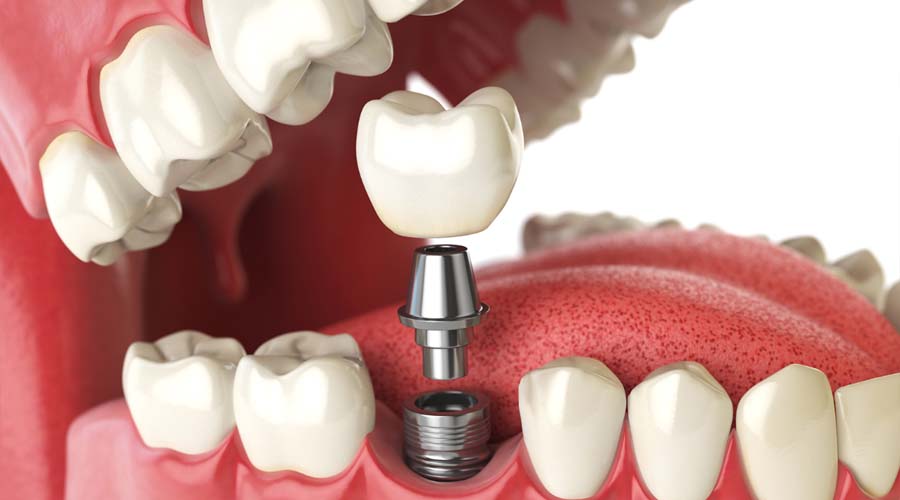
A dental implant consists of three parts: a titanium post that’s placed into the jawbone, an abutment that connects the post to the visible tooth, and a custom-made crown that sits on top and blends in with the surrounding teeth. The titanium post fuses with the jawbone over time through a process called osseointegration, which is what gives implants their stability compared to other tooth replacement options.
This structure is also why implants help preserve jawbone density in a way that bridges and dentures don’t. When a tooth is lost, the jawbone beneath it can gradually shrink from lack of stimulation. An implant, by replicating the root of a natural tooth, helps maintain that stimulation and can slow this process.
Read more: Dental Cleaning Bali: Why Scaling Matters for Travelers
The Treatment Process, Step by Step
The journey to a dental implant typically begins with a consultation and imaging, such as a 3D scan, to assess bone density and plan the placement precisely. This step is essential, since not everyone has sufficient bone structure for immediate implant placement, and a dentist needs this information to determine the right approach for each individual case.
Once the implant post is surgically placed, the jawbone needs time to heal and fuse around it before the final restoration can be attached. This healing period varies from person to person depending on bone quality and overall oral health, which is why a hands-on consultation with a dentist is the only reliable way to get a personalized timeline. After healing is confirmed, the abutment and custom crown are fitted, completing the restoration.
Who Tends to Consider Implants
Implants are generally considered by people who’ve lost one or more teeth due to injury, decay, or gum disease and want a permanent, fixed solution rather than a removable one. They’re also an option worth discussing for those who find dentures uncomfortable or who want to avoid grinding down healthy adjacent teeth, which is sometimes necessary when placing a traditional bridge.
That said, candidacy depends on individual factors like bone density, gum health, and overall medical history, so this is always something to work through directly with a dentist during an in-person consultation rather than assume based on general information online.
Planning Around Travel and Recovery Time
Because the process involves a healing period between the implant placement and the final crown, international patients often need to plan their trip around more than one visit, or coordinate timing carefully if traveling specifically for treatment. It’s worth discussing the full timeline upfront, including how many appointments are needed and how much time should be built in between them, so there are no surprises once you’ve already arrived.
Aftercare in the days following the procedure typically involves some swelling and mild discomfort, similar to other minor oral surgeries, so it’s sensible to avoid scheduling intensive activities immediately afterward and to follow the specific aftercare instructions given by your dentist.
Read more: Benefits, Types, and Who It Suits Best Chemical Peel Bali
Making an Informed Decision
Dental implants represent a significant investment of both time and trust, which is why the process should always start with a proper consultation rather than a quick decision based on marketing claims or online comparisons. A dentist who can examine your jawbone, review your oral health history, and walk you through what’s realistic for your specific case is the only way to know whether implants are the right fit.
At Starlight Clinics, every dental implant case begins with a thorough consultation to assess candidacy and map out a treatment plan suited to the individual, rather than applying a one-size-fits-all approach to tooth replacement.